
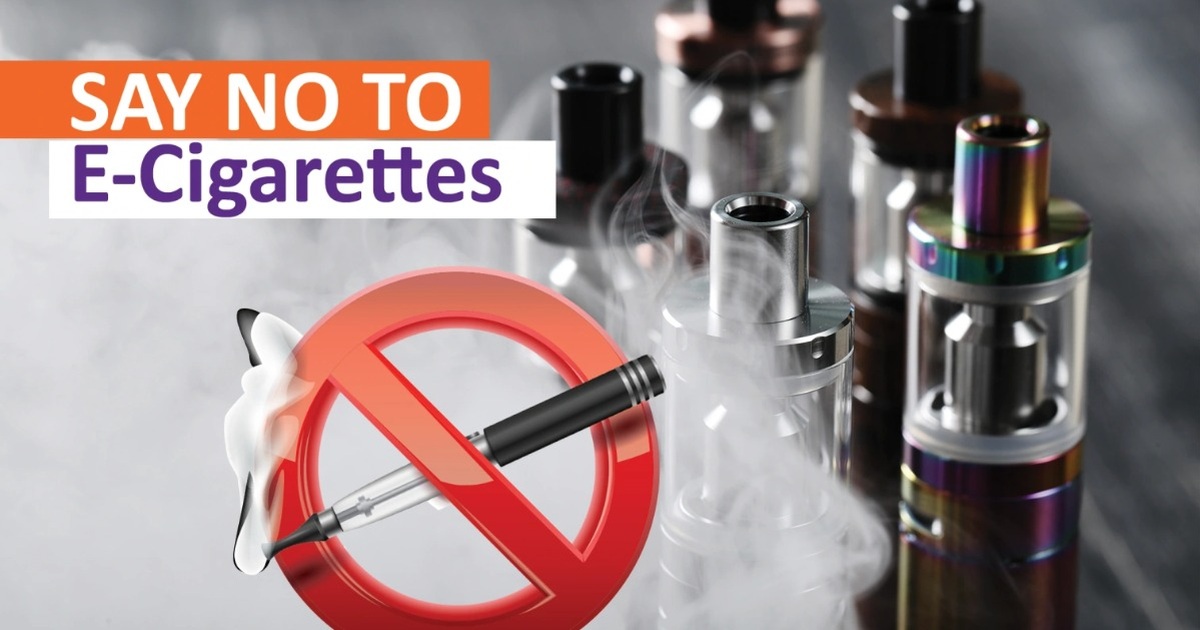
Challenges from New Tobacco Products
This was one of the key discussion points at the 11th Conference of the Parties (COP11), held from November 17 to November 22 in Geneva, Switzerland. The event saw participation from member states of the World Health Organization (WHO).
Numerous reports at the session indicated that instead of traditional cigarettes, the tobacco industry has shifted to promoting e-cigarettes, heated tobacco products, and nicotine pouches as “safer” alternatives.
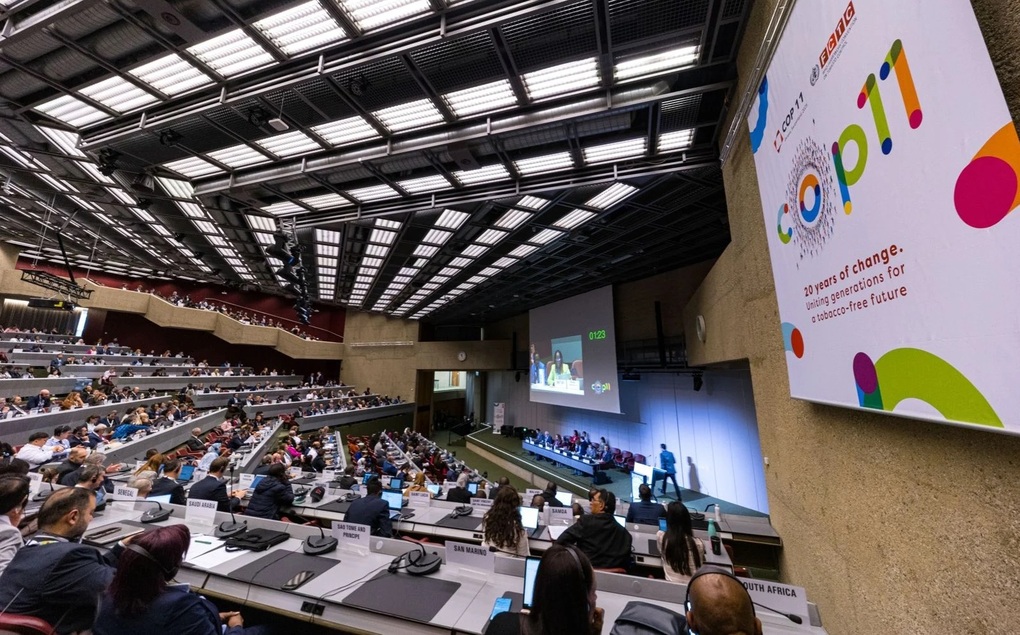 Over 1,400 delegates from 162 countries attending the COP11 tobacco control conference in Geneva
They have organized sophisticated communication campaigns targeting adolescents and young adults, while downplaying or concealing the risks of nicotine addiction, despite these products still being highly addictive.
With tobacco causing over 8 million deaths globally each year, COP11 was seen as an opportunity for governments to reaffirm their commitment to reducing tobacco harm, protecting children and adolescents from nicotine addiction, and promoting more effective control measures.
Experts asserted that there is no better alternative to conventional cigarettes than quitting nicotine addiction entirely. Therefore, countries need to update their policies to keep pace with new business models.
Nearly Two Decades of Global Efforts to Reduce Smoking Rates
The conference continued to recognize the World Health Organization Framework Convention on Tobacco Control (WHO FCTC) as one of the most effective tools in the global effort to reduce smoking rates.
Vietnam is one of the Asian countries that joined the FCTC early, ratifying the Convention on December 17, 2004, and officially implementing it from March 2005. Over the past nearly 20 years, Vietnam has been recognized by the international community as one of the countries making significant progress in tobacco control.
The promulgation of the Law on Prevention and Control of Tobacco Harms in 2012 created a comprehensive legal framework for activities aimed at reducing the demand for tobacco products. Subsequently, graphic health warnings covering 50% of packaging area have been widely applied since 2013, which has helped raise public awareness.
Vietnam also established the Tobacco Harm Prevention and Control Fund to create sustainable resources for communication, training, and inspection activities.
Regarding new generation tobacco products such as e-cigarettes and heated tobacco, Vietnam issued National Assembly Resolution 173/2024/QH15, comprehensively banning the production, trade, import, storage, transport, and use of e-cigarettes and heated tobacco.
According to the global progress report at COP11, nearly 90% of participating countries have enacted or updated/amended related legislation.
Many countries have implemented measures such as increasing tobacco taxes, expanding smoke-free spaces, printing graphic health warnings, and restricting advertising, along with new measures like plain packaging, direct warnings printed on cigarettes, or digital applications to support quitting.
On the supply side, many countries have intensified efforts to control illicit trade, implemented track-and-trace systems, and tightened regulations on selling tobacco products to minors.
These measures have contributed to reducing smoking rates and protecting the younger generation from nicotine addiction. However, support for livelihood transitions for tobacco farmers remains limited, and environmental issues related to waste from tobacco products need more attention.
The report called on countries to maintain political commitment, increase investment in tobacco control, and continue to prioritize it as part of sustainable development to protect global public health.