
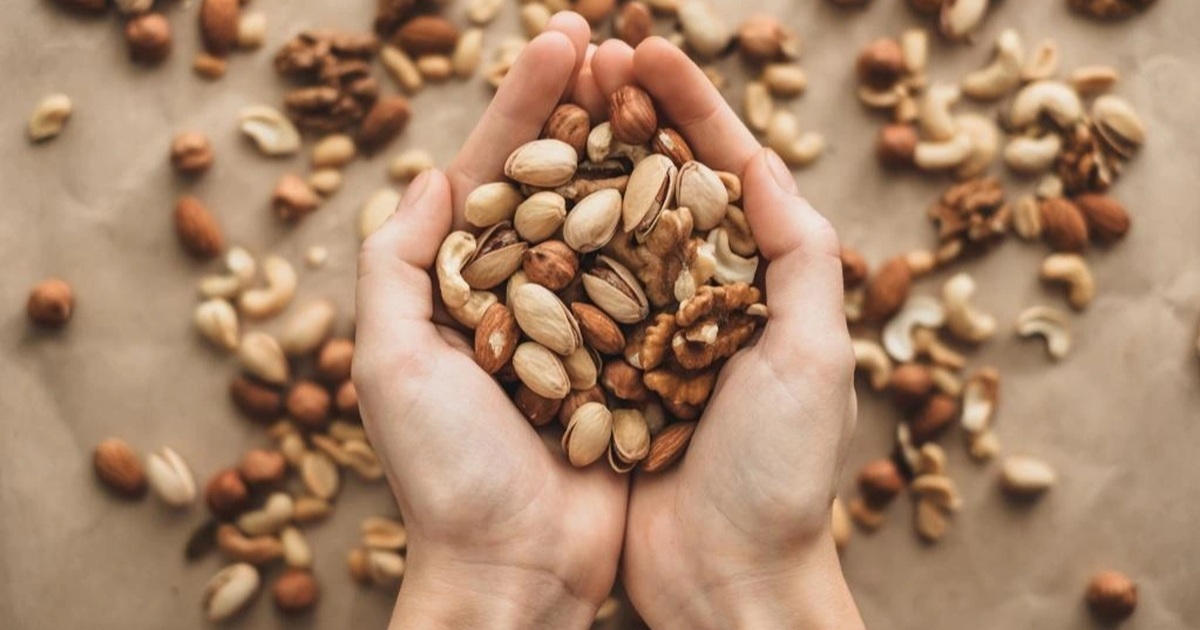
It’s common knowledge that eating nuts is good for your health. But which nuts truly excel in omega-3s, anti-inflammatory properties, brain protection, and reduced risk of heart disease?
Based on evaluations by American expert Nicolette Pace and numerous extensive studies from Harvard and PubMed, below is a ranking of the 5 healthiest nuts based on their nutritional value. Some of these nuts are easily found in Vietnam at affordable prices.
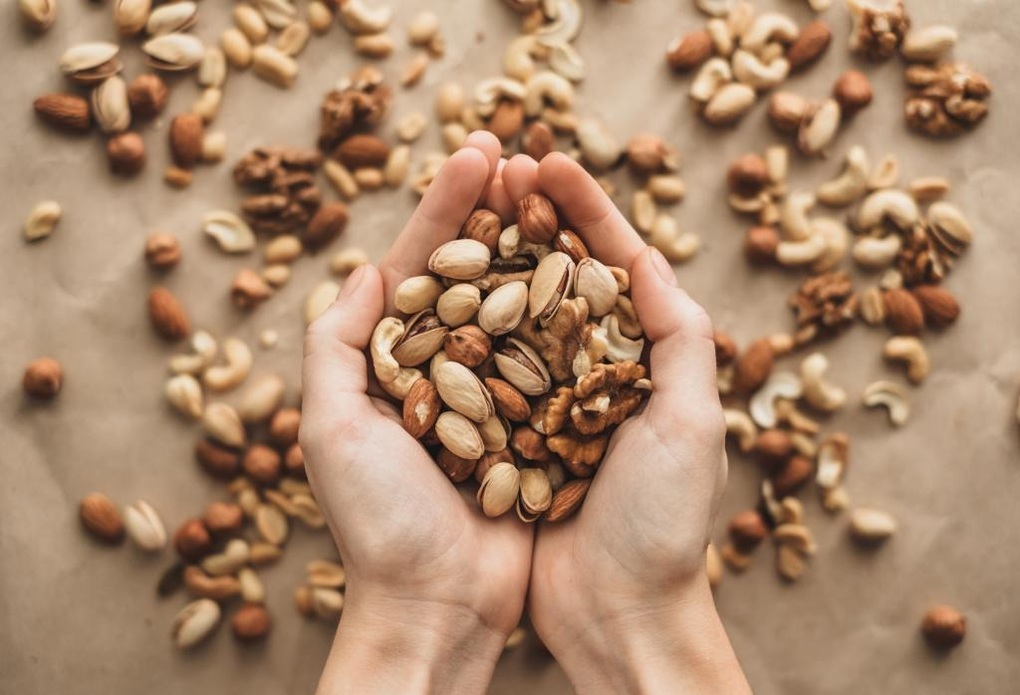 Assortment of five healthy nuts for energy and moderate consumptionAll five types of nuts are rich in nutrients, providing energy to the body without causing weight gain when consumed in moderation (Illustration: Adobe Stock).
Peanuts
Peanuts can balance healthy fats, carbs, and protein, helping to sustain energy and control hunger. This nut contains isoflavones and phytoestrogens, which reduce menopausal symptoms like hot flashes and support cardiovascular and metabolic health.
Furthermore, a large Harvard study also showed that regular peanut consumption reduced the risk of all-cause mortality, especially cardiovascular disease, by 20%. Peanuts have also been proven to lower bad cholesterol, improve blood lipids, and protect the heart.
A 2022 study indicated that peanuts reduced the risk of gallstones by 25% and improved blood sugar control in type 2 diabetes.
However, experts recommend consuming only about 28g of peanuts daily, either as peanut butter or unsalted roasted peanuts.
Cashews
Pace emphasized that cashews are rich in vitamin E, iron, zinc, and antioxidants, which boost brain function, combat oxidative stress and inflammation, helping to protect against cognitive decline and neurodegenerative diseases. This nut also supports male reproductive health due to magnesium and zinc, which help balance hormones and energy metabolism.
Additionally, a 2019 randomized trial on type 2 diabetic patients showed that consuming 32g of cashews daily helped reduce insulin and bad cholesterol levels after 8 weeks.
Another study in the same year also revealed that cashews reduced triglycerides and blood pressure, supporting cardiovascular health. Moreover, the polyphenols in this nut can help alleviate depression and improve cognition.
Almonds
Almonds are rich in vitamin E, calcium, protein, and fiber, supporting cardiovascular, bone, and digestive health. These nutrients also slow glucose absorption, improve insulin sensitivity, help menopausal women maintain bone density, and support male vitality through zinc and magnesium.
A 2023 statistical review by Healthline indicated that almonds can also lower blood sugar, blood pressure, and cholesterol, while supporting weight loss. Eating almonds also helps reduce LDL-C and improve heart health in obese individuals.
A 2024 trial demonstrated that consuming 50-84g of almonds daily enhanced antioxidant defenses, reduced inflammation, improved gut health, and helped lower the risk of cardiovascular disease by 13-15%.
Pistachios
Pistachios are lauded as one of the rare complete vegan protein sources, containing all nine essential amino acids, along with phytoestrogens, potassium, fiber, and antioxidants. These compounds help support blood sugar and digestion by slowing glucose absorption, improve brain function and mood by regulating neurotransmitters, and are particularly beneficial for type 2 diabetic patients.
Furthermore, a 2014 study also showed that people who ate pistachios could increase butyrate-producing bacteria in the gut, reducing the risk of cancer and heart disease more than almonds. This nut also helps improve blood lipids, blood sugar control, and endothelial function in type 2 diabetic patients.
A 2022 study highlighted that lutein and zeaxanthin in pistachios help protect eyes from macular degeneration. Scientists also proved that consuming 42g of pistachios daily significantly reduced total cholesterol and bad cholesterol compared to other nuts.
Walnuts
Walnuts are ranked number 1 due to their richness in omega-3 fatty acids (ALA), plant sterols, and polyphenols, which possess powerful anti-inflammatory properties. These compounds increase blood flow, reduce triglycerides and the risk of cardiovascular disease, while also providing vitamin E, zinc, and magnesium to support sperm quality and bone health.
A 2018 study from the University of California at Davis showed that consuming 43g of walnuts daily reduced total cholesterol, bad cholesterol, and triglycerides by 5% after 8 weeks.
Scientists from Harvard Health also noted that walnuts improve blood lipids and protect the brain, reducing the risk of cognitive decline. Omega-3s from walnuts also protect nerve cells from inflammation, reducing the incidence of myocardial infarction.
Although these nuts are packed with beneficial nutrients, scientists still recommend consuming only 28-42g of nuts (equivalent to 150–200 calories) daily to optimize benefits without excess calories.